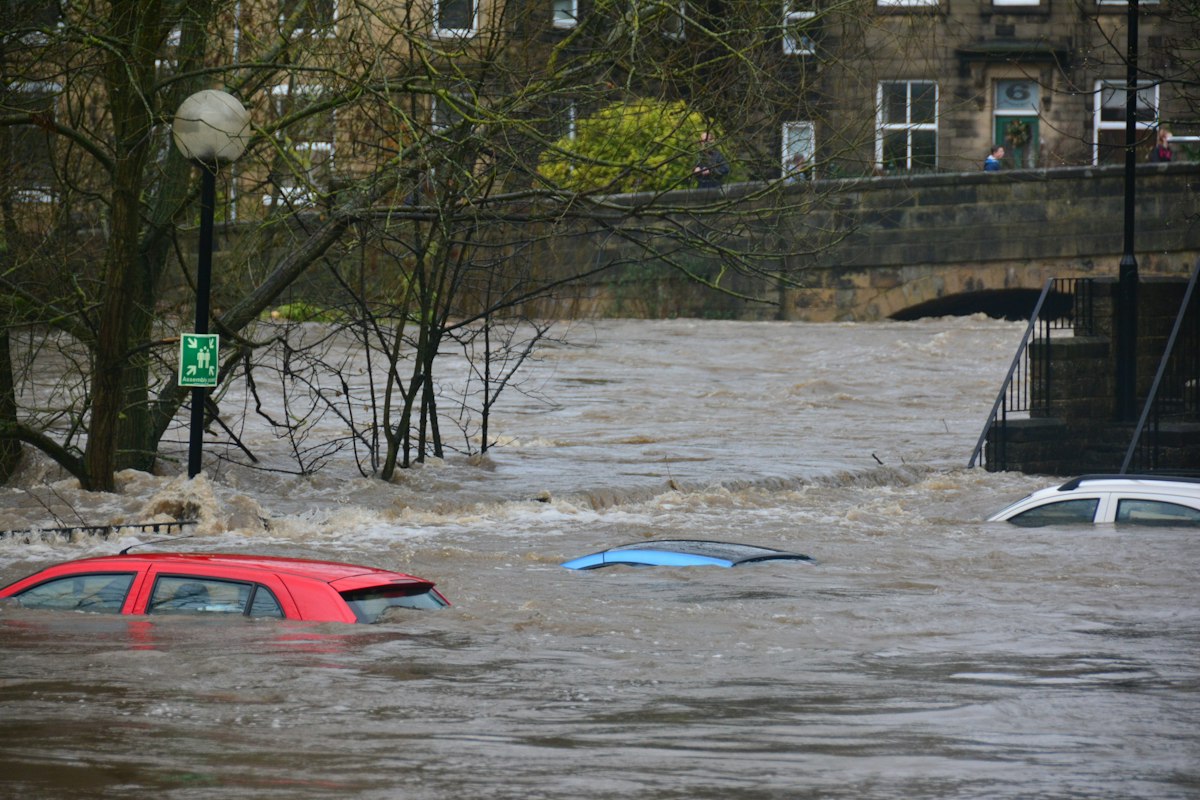
Flooding triggered by 72 hours of continuous rainfall and upstream overflow from the River Niger has inundated three local government areas in Delta State, displacing 18,000 residents and prompting the National Emergency Management Agency to deploy its largest relief operation of the year.
Ndokwa West, Ndokwa East and Ukwuani LGAs are the worst affected, with water levels in some communities reaching 2.4 metres — submerging single-storey buildings and destroying an estimated 4,200 hectares of farmland that was within weeks of harvest.
Relief operations
NEMA Director-General Zubaida Umar said 15 speedboats and two helicopter units had been deployed to evacuate residents from flooded communities. Four emergency relief camps have been established in Asaba with combined capacity for 25,000 people.
The Nigerian Red Cross has delivered emergency food packs to 6,800 households, while the state government has released ₦500 million from its emergency relief fund. Governor Sheriff Oborevwori declared a state of emergency in the three LGAs and appealed to the federal government for additional support.
Pattern of flooding
Delta State has experienced significant flooding in 2020, 2022, and 2024, raising questions about the adequacy of the state's flood management infrastructure. Environmental experts blame a combination of climate change, inadequate drainage systems, deforestation in upstream catchment areas, and unregulated building on floodplains.
0 Comments
No comments yet. Be the first to share your thoughts.